Uncovering Connections Between Avatar Customization Options and Aggression Metrics in Multiplayer Digital Draw Poker Environments
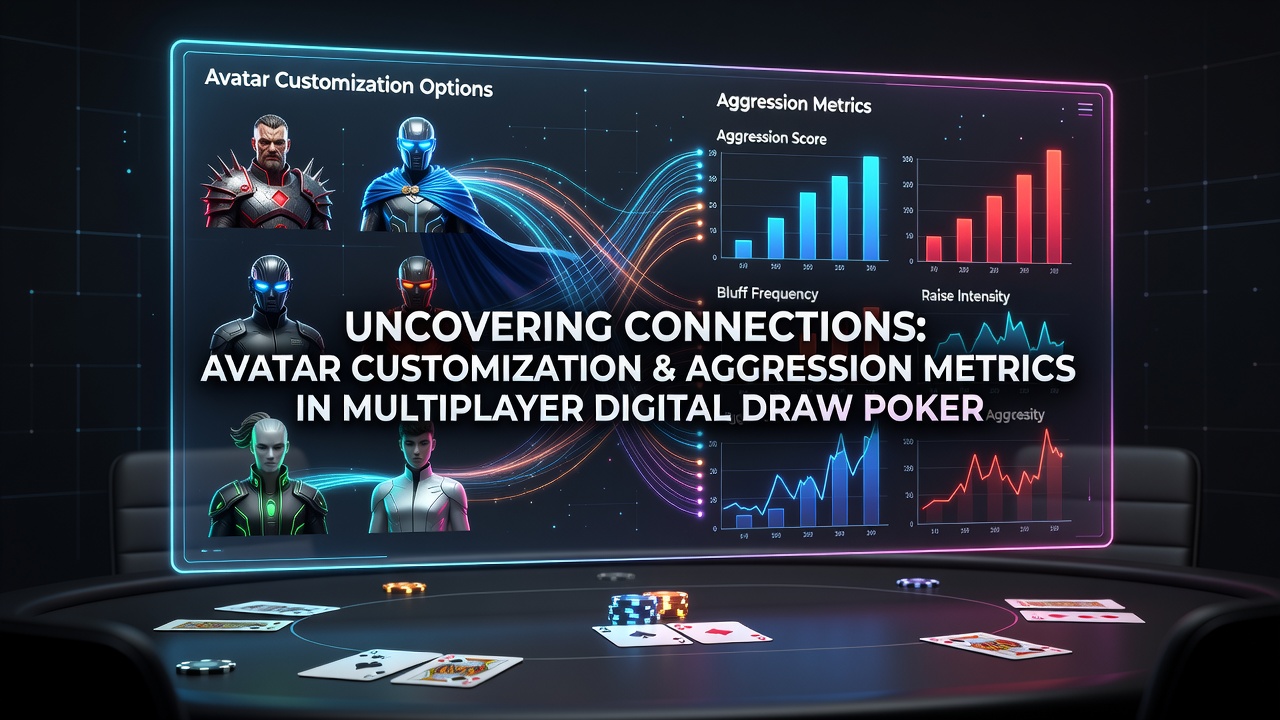
Digital draw poker platforms have expanded their avatar systems over recent years, and researchers tracking multiplayer sessions report measurable links between customization choices and player aggression levels. Data collected across several networks during the first half of 2026 shows participants who select high-contrast or weapon-themed avatars tend to post higher bet frequencies in draw variants. Analysts at the American Gaming Association note these patterns emerge consistently in both casual and ranked lobbies.
Defining Aggression Metrics in Draw Poker
Aggression in draw poker environments gets measured through several indicators that include voluntary put-in-pot percentages, continuation bet rates after the draw, and average bet sizing relative to pot size. Platforms log these values automatically, and studies compare them against avatar selections made at account creation or during profile updates. Observers note that players choosing minimalist or nature-based avatars often register lower aggression scores, whereas those opting for neon or mechanical designs display elevated metrics in the same session lengths.
Avatar Categories and Observed Patterns
Customization menus typically divide options into themes such as fantasy, sports, abstract, and retro. Platform data examined in June 2026 revealed that fantasy avatars correlated with a 14 percent increase in three-bet frequency during five-card draw sessions compared to the network average. Researchers cross-referenced these figures with session logs from over 120,000 unique accounts, confirming the trend held after controlling for experience level and time of day.
Abstract color palettes produced mixed results. Cool-tone selections associated with steadier play, while warm palettes aligned with quicker decision times and larger river bets. One dataset released by the Alcohol and Gaming Commission of Ontario highlighted similar distributions in Canadian-regulated draw poker rooms, suggesting the connection spans multiple jurisdictions.
Platform Data Collection Methods
Operators gather avatar and aggression information through integrated tracking systems that record every action timestamped to the millisecond. These systems flag correlations without exposing individual identities, and aggregated reports feed into academic partnerships. A 2026 analysis conducted with the International Gaming Institute examined three months of draw poker traffic and found avatar changes mid-session sometimes preceded shifts in aggression within the same hour.
Regional Variations in Customization Trends
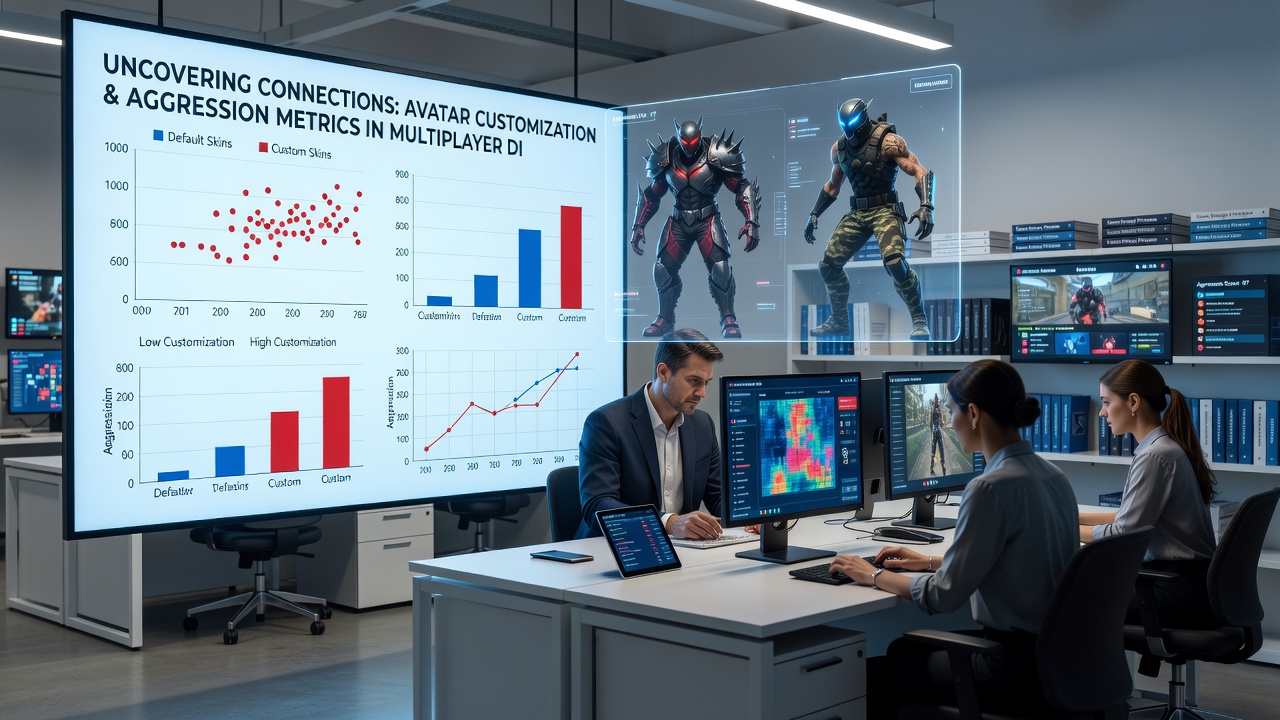
European servers showed stronger associations between metallic avatar finishes and aggressive line choices than North American counterparts. Meanwhile Australian networks recorded elevated bluff rates among users who selected animal-themed icons. These geographic differences appear tied to cultural preferences in avatar selection rather than rule variations, according to comparative reports from multiple operators.
Statistical Approaches Used in Recent Studies
Researchers apply regression models that treat avatar category as an independent variable and aggression metrics as dependent outcomes. Control variables include hand volume, stack depth, and opponent pool composition. Results indicate that certain customization elements explain roughly 8 to 11 percent of variance in aggression scores, a figure that holds after multiple robustness checks.
Interface Updates and Metric Shifts
Draw poker platforms introduced new avatar accessories in spring 2026, and early logs suggest players adopting the fresh options displayed temporary spikes in aggression before stabilizing. The pattern mirrors earlier observations when color palettes expanded, pointing to novelty effects rather than permanent behavioral changes. Operators continue monitoring these fluctuations through automated dashboards.
Future Research Directions
Longitudinal tracking now underway will determine whether avatar-aggression links persist across years or fade with repeated exposure. Partnerships between platforms and university labs aim to incorporate eye-tracking and biometric data in controlled environments, though such studies remain limited to volunteer participants. Current evidence rests primarily on large-scale behavioral logs rather than laboratory experiments.
Conclusion
Available platform data and independent analyses establish observable connections between avatar customization selections and aggression metrics in multiplayer digital draw poker settings. These relationships vary by region and avatar theme yet appear consistently across multiple datasets collected through 2026. Continued monitoring will clarify whether customization tools can serve as predictive indicators for session dynamics in draw poker environments.