The Interplay of Random Number Algorithms and Perceived Equity in Multi-Table Hold'em Variants
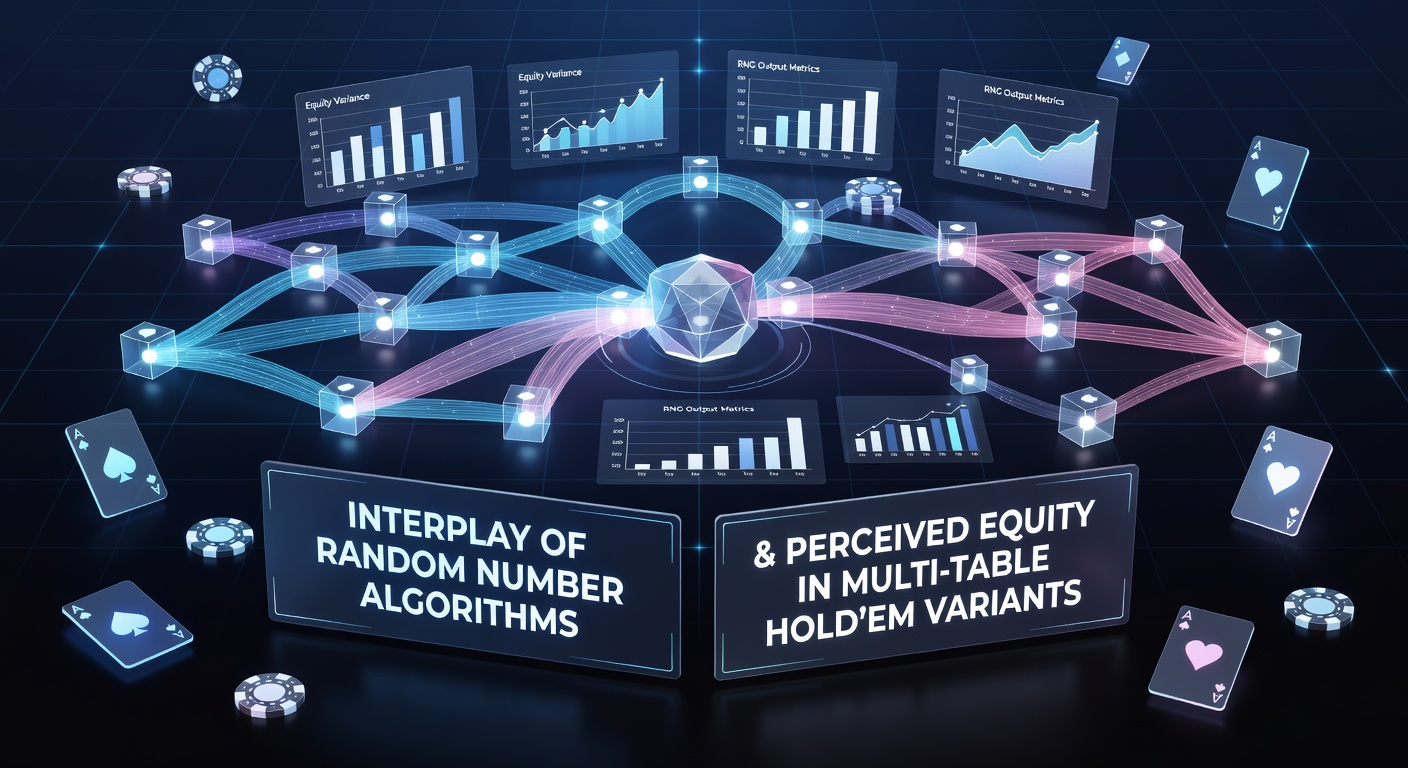
Multi-table Hold'em variants rely on random number algorithms to generate card distributions that players encounter across numerous simultaneous tables, and these systems shape how participants interpret fairness during extended play sessions. Software providers implement pseudorandom number generators that draw from entropy sources such as system clocks and hardware noise, then apply algorithms like the Mersenne Twister or more secure variants to produce sequences that determine deck shuffles before each hand.
Mechanics of Random Number Generation in Tournament Settings
Developers integrate these generators with Fisher-Yates shuffle methods to reorder virtual decks, ensuring that every possible arrangement maintains equal probability in theory, while certification laboratories test output streams for statistical randomness across millions of simulated hands. Data from independent audits shows that properly implemented systems pass tests for uniformity and independence, yet players in multi-table events sometimes observe streaks that feel non-random because human cognition tends to detect patterns even in truly stochastic sequences.
Regulatory frameworks in regions such as Australia require operators to submit algorithmic details for review by bodies like the Northern Territory Racing Commission, and similar standards appear in Canadian provincial guidelines where gaming authorities examine source code and long-term statistical behavior before granting operational approval. One study released through the University of Nevada's gaming research program examined variance patterns in large-field tournaments and found that short-term deviations from expected hand frequencies occur at rates consistent with mathematical models, though these fluctuations often fuel discussions about equity among competitors.
Perceived equity emerges when participants compare their results against theoretical probabilities over limited sample sizes, and multi-table formats amplify this effect because individuals monitor multiple boards at once while variance compounds across parallel games. Researchers note that equity calculations remain fixed by combinatorics regardless of the underlying generator, since each hand's potential outcome depends solely on remaining cards and opponent holdings rather than the method used to select those cards.
Factors Influencing Player Perceptions of Fairness
Software updates scheduled for deployment in May 2026 include enhanced entropy collection from multiple server clusters, a change that addresses older concerns about seed predictability in high-volume environments. Observers at industry conferences point out that these modifications coincide with growing participation in online multi-table series, where thousands of entrants compete across dozens of tables simultaneously.
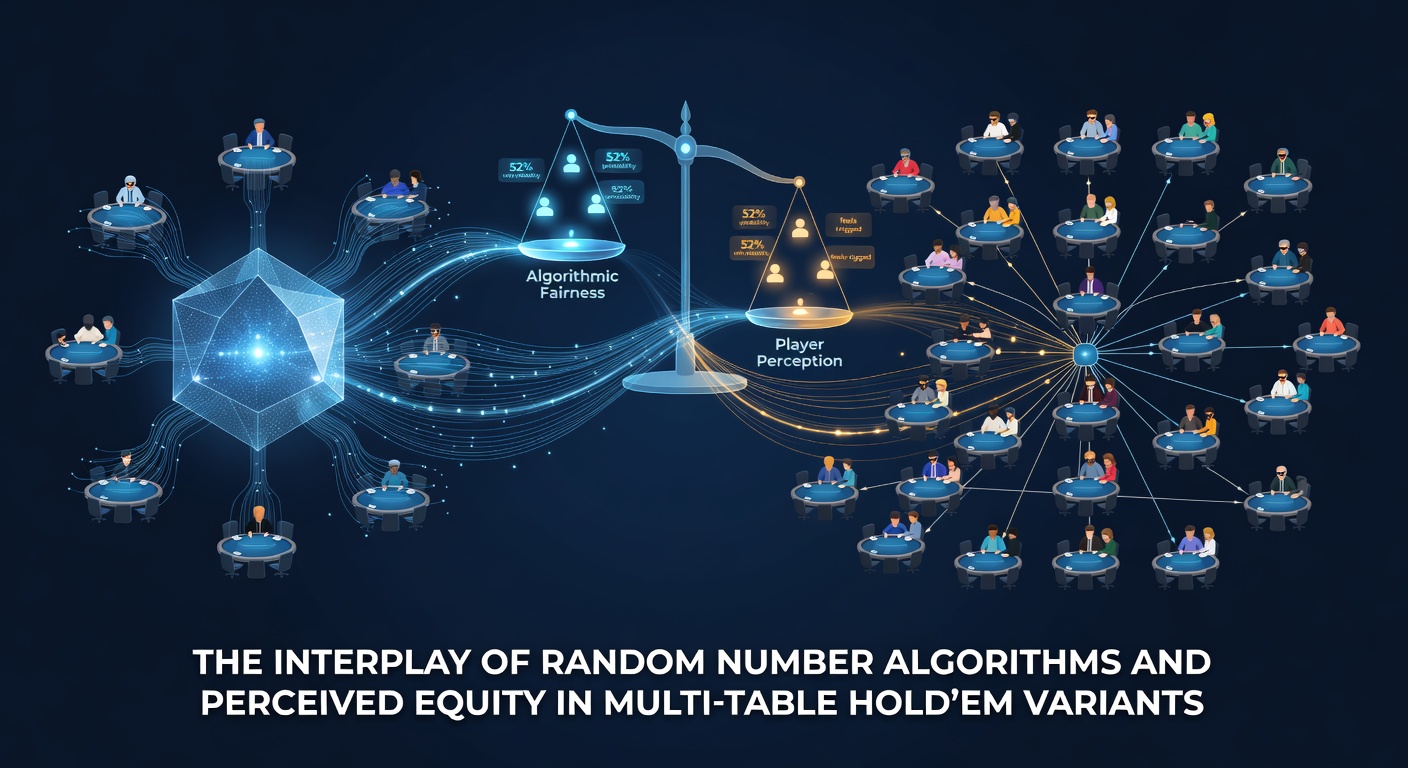
Take one case where tournament directors adjusted table balancing algorithms mid-event, and subsequent analysis revealed that hand distributions stayed within expected bounds while complaints about repeated bad beats decreased slightly in post-tournament surveys. External links to detailed methodology appear in reports from eCOGRA validation studies and research published by the Canadian Centre for Gaming Research, both of which document how testing protocols separate true randomness from player intuition.
Multi-table variants introduce additional layers because software must synchronize random streams across distributed servers without introducing latency that could affect game flow, and any perceived lag sometimes gets misinterpreted as algorithmic manipulation. Experts have observed that transparent disclosure of shuffle timestamps and certification seals helps reduce such suspicions, particularly when operators publish aggregate hand history statistics that align with theoretical frequencies.
Balancing Technical Implementation With Regulatory Oversight
Industry organizations continue to refine testing suites that include dieharder adn NIST statistical batteries, while developers experiment with quantum-resistant generators to future-proof systems against emerging computational threats. Those who've examined large datasets from 2025 tournaments note that equity realization rates for premium starting hands remain stable even as field sizes increase, suggesting that algorithmic integrity holds across scale.
Yet the gap between mathematical equity and subjective experience persists because players rarely review full combinatorial trees during live sessions, instead relying on recent outcomes to form judgments. Tournament operators address this through educational resources that explain variance concepts using historical data from past events, allowing participants to contextualize individual results within broader probability frameworks.
Conclusion
Random number algorithms underpin the operational integrity of multi-table Hold'em variants by delivering card sequences that meet rigorous statistical criteria, while perceived equity reflects the interaction between those sequences and human pattern recognition tendencies. Ongoing refinements scheduled through 2026 aim to strengthen entropy sources and audit transparency, thereby narrowing the distance between technical fairness and player understanding across global markets.