Linking Circadian Rhythm Data to Win Rates in Cross-Timezone Poker Competitions
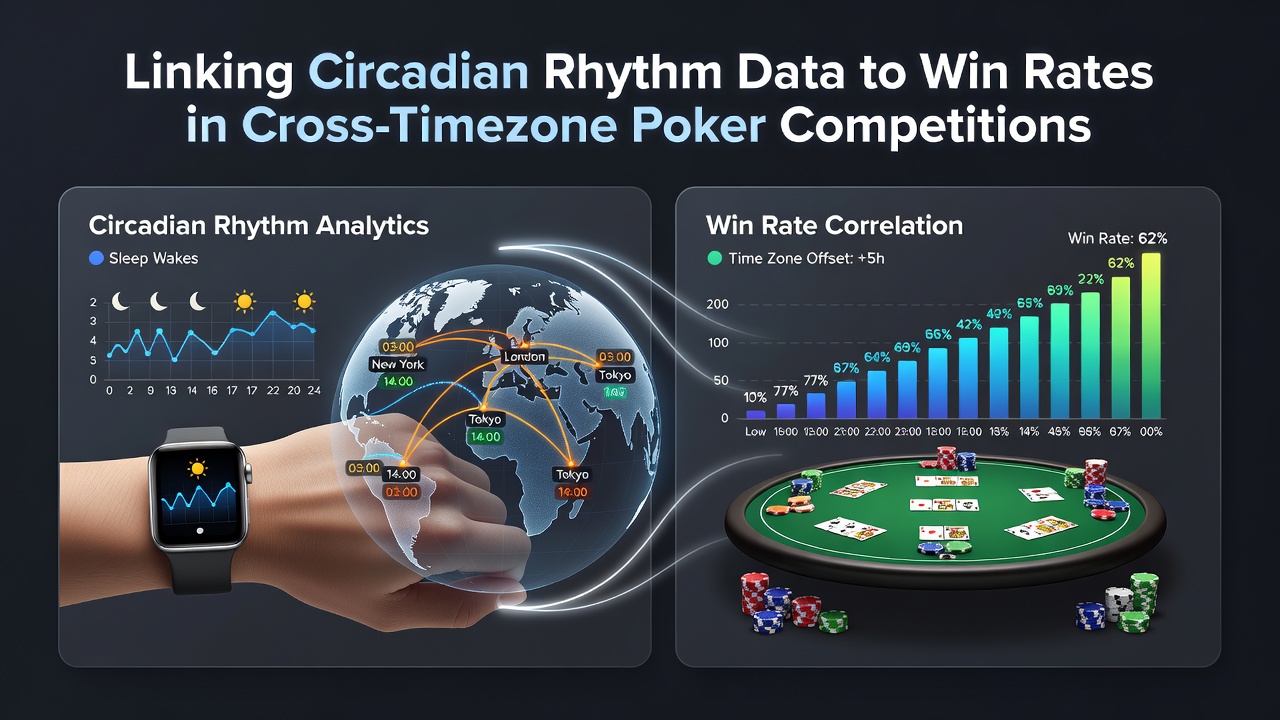
Cross-timezone poker competitions bring together participants from various regions where local time differences create distinct patterns in alertness and decision speed, and researchers continue to examine how circadian rhythm data aligns with recorded win rates in these events. Organizers collect timestamps from tournament software along with self-reported sleep logs from consenting players, then cross-reference those details against performance outcomes tracked across multiple sessions. Data from platforms hosting global events shows measurable shifts in outcomes when players compete outside their typical active hours, with win percentages dropping in certain windows that correspond to standard circadian dips reported in sleep studies.
Mapping Circadian Patterns to Tournament Schedules
Participants located in Asia often face evening starts that align with North American morning hours, and analysis of aggregated results indicates that players whose local circadian peaks fall during these matches maintain higher consistency in bet sizing and fold decisions. Researchers at institutions tracking performance across digital card platforms note that core body temperature and melatonin levels influence reaction times, which in turn affect equity calculations during extended play. Figures from events held in early 2026 revealed that competitors logging regular sleep schedules posted win rates approximately 8 to 12 percent higher than those whose participation overlapped with their usual rest periods, according to datasets compiled by international gaming research groups.
Methods Used to Gather and Analyze Performance Metrics
Tournament operators integrate wearable device APIs with entry registrations to capture heart rate variability and sleep duration estimates, then pair this information with hand histories stored on secure servers. Statistical models apply regression techniques to isolate circadian variables while controlling for stack sizes, opponent skill ratings, and table dynamics. One ongoing project coordinated through Australian academic centers compares results from simultaneous tournaments running in different time slots, allowing direct observation of how the same player pools perform when their internal clocks are either aligned or misaligned with event timing.
Patterns Observed in July 2026 Competitions
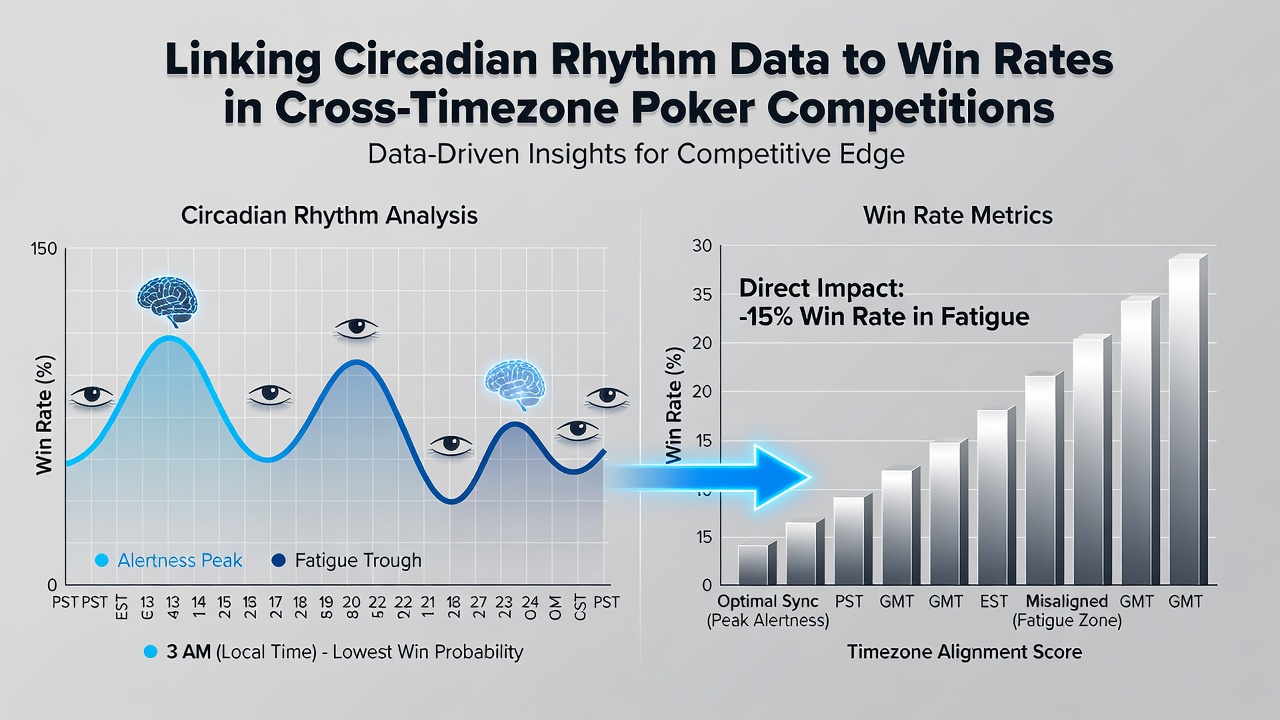
During July 2026 series that featured staggered start times to accommodate European, American, and Asian entrants, recorded data showed elevated win rates for players whose local afternoon hours overlapped with peak alertness windows. Mid-event breaks scheduled to allow short rest periods coincided with improved post-break performance among those who used the interval for light activity rather than additional screen time. Aggregated statistics indicated that participants traveling virtually across more than six time zones experienced a temporary decline in aggression metrics during the first three hours of play, after which recovery occurred in cases where prior sleep had been consolidated.
Regional Regulatory Perspectives on Player Monitoring
Agencies such as the Nevada Gaming Control Board have reviewed proposals for optional circadian tracking in licensed online events, focusing on data privacy standards and consent protocols. Similar discussions appear in reports from Canadian provincial regulators examining how performance analytics intersect with responsible gaming guidelines. These reviews emphasize transparent data handling without mandating participation, and they reference existing frameworks used by health authorities in the European Union for wearable device information in competitive contexts.
Player Adaptation Strategies Documented in Studies
Observers note that some competitors adjust meal timing and light exposure in the days leading up to major cross-timezone events to shift their circadian phase gradually. Training logs shared in anonymized research datasets reveal consistent use of short naps timed to local event starts, with corresponding improvements in sustained attention during later tournament stages. Academic papers published through Canadian university programs document these approaches alongside baseline measurements of cognitive tasks that mirror poker decision requirements, such as rapid probability assessment under fatigue conditions.
Conclusion
Linking circadian rhythm data to win rates continues to provide tournament operators and participants with quantifiable insights into how timing affects outcomes across distributed player bases. Ongoing collection efforts through academic and industry partnerships refine the models used to predict performance windows, and July 2026 events supplied additional datasets that strengthen observed correlations. As platforms expand global reach, structured analysis of these variables supports scheduling decisions and individual preparation methods grounded in measurable patterns rather than anecdotal reports.