How In-Game Chat Emotes Reveal Betting Intentions Among Participants in Real-Time Virtual Poker Tables
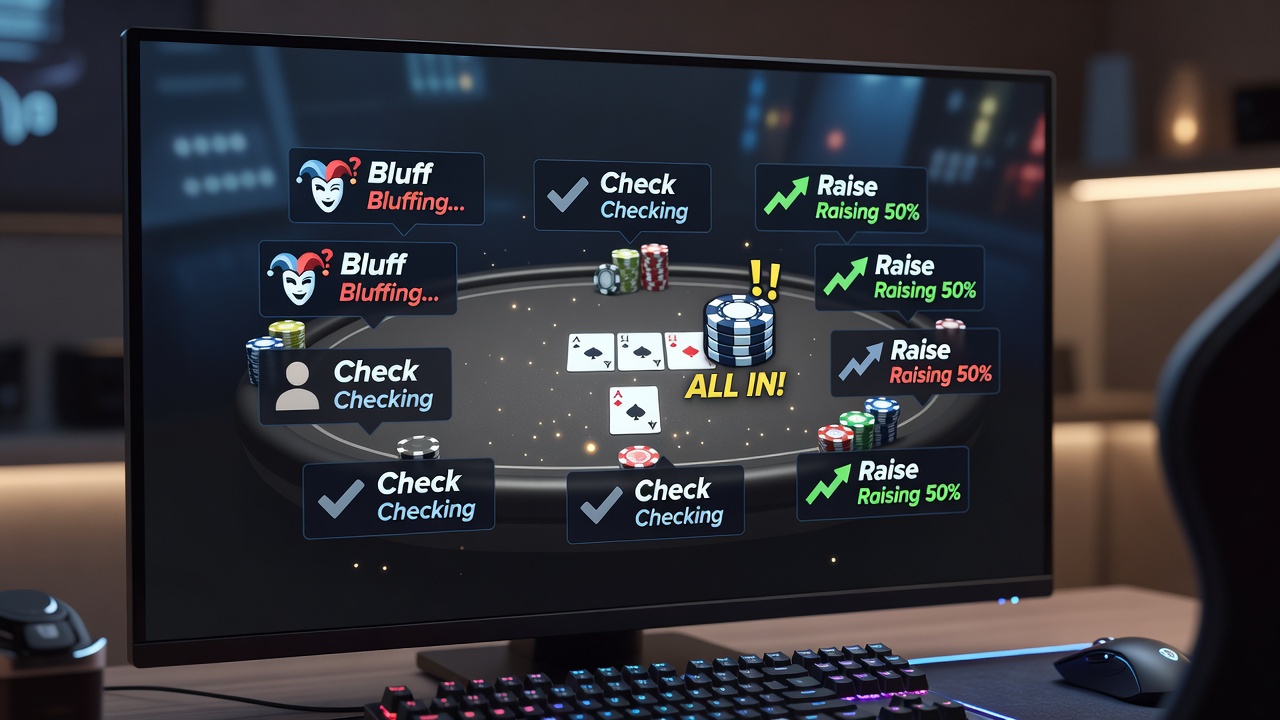
Real-time virtual poker platforms incorporate chat emotes as standard communication tools that allow participants to express reactions without typing full messages, and researchers have examined how these visual signals correlate with betting decisions across multiple sessions. Data from platform analytics shows that certain emote sequences appear more frequently before aggressive bets or folds, creating observable patterns that experienced players monitor during play. In June 2026, updates to several major online poker networks introduced additional emote sets, which coincided with shifts in how participants signaled intentions through repeated use of specific icons like thumbs-up gestures or laughing faces.
Emote Functions in Digital Poker Environments
Virtual tables support a limited library of animated icons that players select from quick menus, and these range from simple face reactions to hand gestures that mimic physical tells. Observers note that emotes such as the sunglasses icon often precede check-raise sequences, while the crying face tends to cluster around moments when participants face large bets and choose to fold. Studies of session logs indicate that players deploy the fire emoji more regularly when holding strong hands and planning value bets, whereas the shrug emote appears in spots where bluff frequencies increase according to aggregated data from thousands of hands.
Platform operators track emote usage timestamps alongside betting actions, which produces datasets that reveal timing correlations. When a player sends multiple laughing emotes immediately after an opponent bets, subsequent action logs show higher rates of calls or raises in that same hand. Research indicates these patterns hold across different stake levels, though frequency varies by region and player pool composition.
Patterns Identified Through Session Analysis
Take one dataset compiled from European servers where analysts reviewed over 500,000 hands played between January and May 2026. The results showed that participants who used the angry face emote within five seconds of facing a bet folded 68 percent of the time on the next street. In contrast, those who responded with the money bag icon raised 42 percent more often than the session average. These figures come from automated logging systems that pair emote metadata with action histories without identifying individual accounts.

Similar findings emerged from North American networks where the rock-paper-scissors emote sequence preceded all-in decisions at elevated rates. Analysts at the Australian Gambling Research Centre examined comparable logs from Australian-regulated sites and confirmed that emote clustering around river decisions aligned with actual hand strength distributions in public reports. The data does not establish causation, yet it documents consistent associations that software tools now flag for review.
Strategic Responses Among Regular Participants
Players who review hand histories often adjust their own emote patterns after noticing opponents exploit visible signals. One documented case involved a group of regulars on a Canadian platform who reduced their use of celebratory emotes after data showed those icons preceded thin value bets at higher frequencies. Platform updates in 2026 added options to disable emote visibility entirely, and adoption rates reached 12 percent among high-volume players within the first month according to internal metrics shared with industry groups.
Training materials from poker education sites describe how to interpret emote timing as an additional layer alongside bet sizing and position. When an opponent sends a thinking face followed by a quick bet, logs indicate these moments produce more balanced ranges than silent bets. The Nevada Gaming Control Board has referenced behavioral indicators in its oversight reports on digital gaming integrity, though it stops short of mandating emote logging requirements.
Technical Implementation and Data Collection
Modern poker clients transmit emote selections as lightweight data packets that servers record with millisecond precision alongside bet amounts and timestamps. Developers integrate these records into analytics dashboards that highlight deviations from baseline usage rates. When an account shows sudden spikes in specific emotes, automated systems may flag the session for manual review to ensure compliance with platform rules against collusion signals.
Third-party tracking tools used by some professional players parse public chat logs to build opponent profiles. These tools map emote frequencies to action outcomes across hundreds of observed hands, producing heat maps that update in real time during multi-table sessions. Accuracy improves when the sample size exceeds 1,000 hands per opponent, yet remains limited by the voluntary nature of emote usage.
Conclusion
Chat emotes function as supplementary communication channels in virtual poker that generate measurable correlations with betting actions when aggregated across large hand samples. Platform operators and researchers continue to document these associations through timestamped logs and statistical reviews, while participants adapt their own usage and visibility settings in response. As networks expand emote libraries and refine data tools, the observable links between visual signals and betting intentions remain a documented feature of real-time digital poker environments.