Avatar Themes and Their Ties to Fold Frequency in Extended Virtual Multi-Table Events
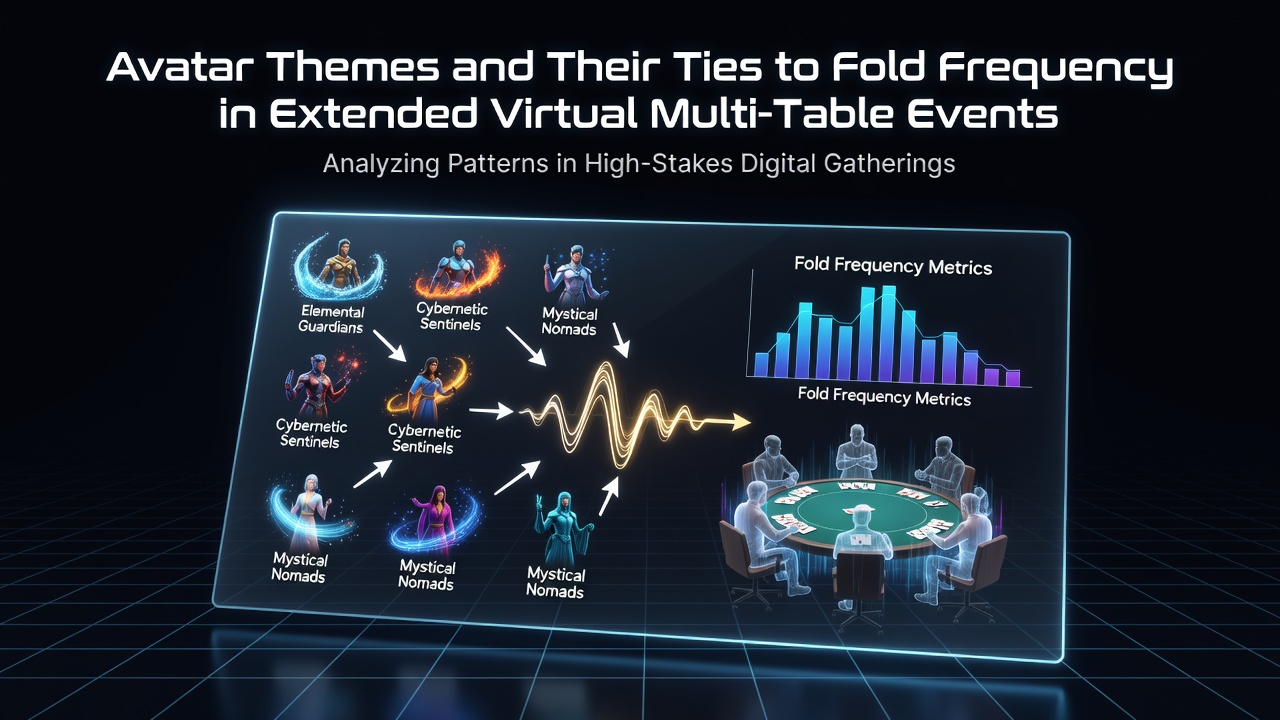
Virtual multi-table events continue to expand in 2026, and observers note that avatar themes selected by participants show measurable connections to fold frequency patterns, especially across sessions that stretch beyond four hours. Data from digital card platforms indicate that players who choose high-contrast or intense visual themes tend to exhibit different folding rates compared to those opting for subdued or abstract designs. Researchers tracking these metrics in extended tournaments report that theme selection often correlates with decision timing and pot commitment levels.
Customization Options Shape Initial Player Approaches
Platform interfaces allow extensive avatar customization, ranging from thematic categories like cyberpunk, nature-inspired, or minimalist styles. Studies tracking user behavior find that participants gravitate toward certain themes based on prior session history, yet fold frequency data collected during July 2026 events reveal consistent statistical links once play begins. Those adopting bold, weapon-themed avatars fold less frequently in early levels while maintaining higher aggression metrics in later stages. In contrast, users with serene or geometric avatars demonstrate steadier fold rates across multiple tables, adjusting less dramatically when stack sizes fluctuate.
Data Patterns Emerge in Prolonged Sessions
Analysis of extended virtual events shows fold frequency shifts become pronounced after the third hour, when fatigue and table dynamics intensify. Figures collected across global networks indicate that avatar theme groups display variance in how often they release hands preflop or on the flop. Participants with dynamic animation themes, for instance, record fold percentages that remain 3 to 5 points lower than averages in mid-stages, according to aggregated platform logs. Observers tracking these trends note that such patterns hold across different buy-in tiers and regional player pools.
Behavioral Correlations and Platform Metrics
Researchers examining multiplayer digital environments have documented that avatar theme choices align with measurable risk tolerance indicators. One dataset from international card platforms highlights how users selecting motion-heavy themes initiate fewer folds during four-bet and five-bet sequences in late registration periods. Meanwhile, those preferring static or low-key themes maintain higher fold frequencies when facing continuation bets from multiple opponents. These correlations strengthen in events lasting six hours or more, where cumulative decision volume amplifies small behavioral differences.
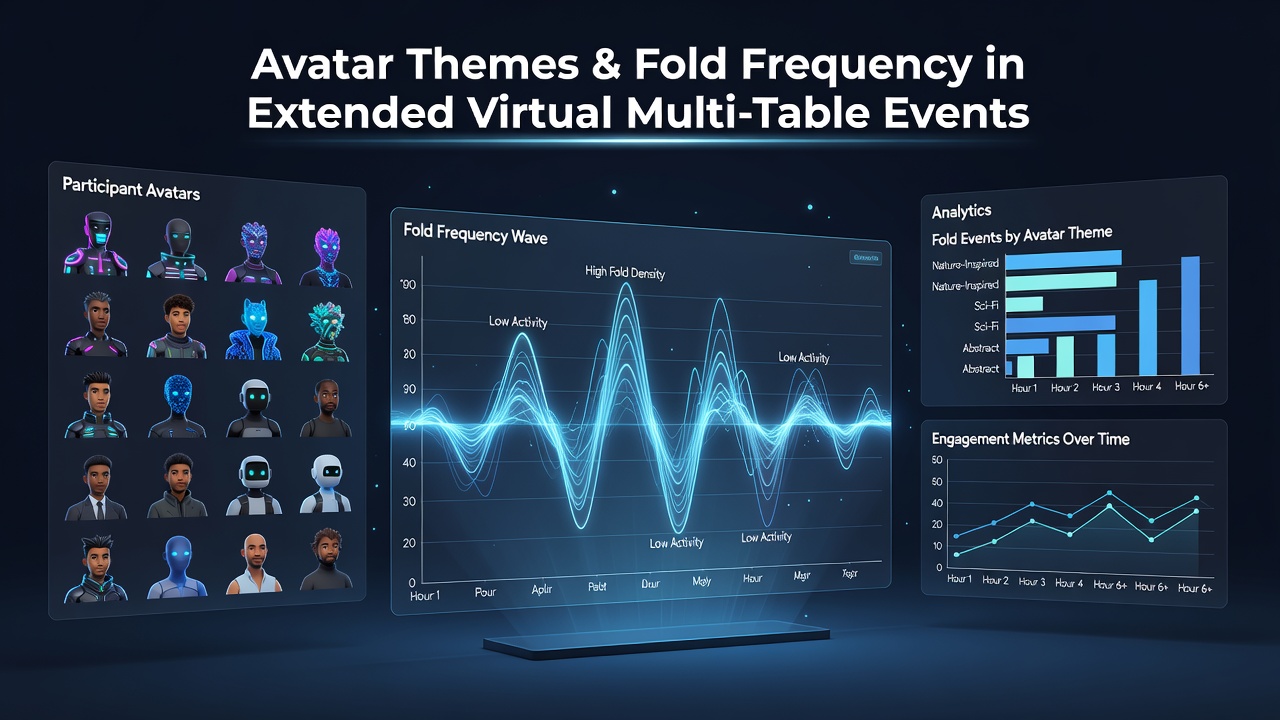
Additional findings from academic reviews suggest interface color and animation intensity within themes may influence how players perceive table pressure. Data shows participants using high-saturation themes reduce fold frequency by noticeable margins when short-stacked, whereas low-saturation choices correspond to more conservative ranges. Such distinctions appear in both solo and multi-table formats, with the effect size increasing during peak evening hours across North American and European servers.
Regional Variations and Tournament Structures
Reports compiled by gaming research groups in Australia and Canada document that fold frequency tied to avatar themes varies slightly by regional player demographics. In high-volume summer series, for example, theme-driven patterns emerge more clearly in rebuy formats than in freezeouts. Platforms that log these interactions provide anonymized datasets to analysts, enabling comparisons across thousands of hands per event. The resulting statistics reveal that theme persistence, meaning players retaining the same avatar throughout an event, strengthens the observed fold correlations.
Industry organizations tracking digital card play note that updates to customization tools in early 2026 introduced new theme categories, which researchers are now monitoring for fresh behavioral signals. Early July data from ongoing series indicate these additions have not disrupted existing patterns but have expanded the sample sizes available for study.
Conclusion
Evidence gathered from virtual multi-table events demonstrates clear statistical ties between avatar theme selections and fold frequency behaviors, particularly as sessions extend. Platform metrics, regional reports, and academic analyses continue to map these relationships across expanding player bases. As customization features evolve, ongoing data collection will refine understanding of how visual choices intersect with strategic decision patterns in prolonged digital tournaments.