Avatar-Driven Mind Games: How Personalization Features Affect Risk Assessment in Split-Pot Formats
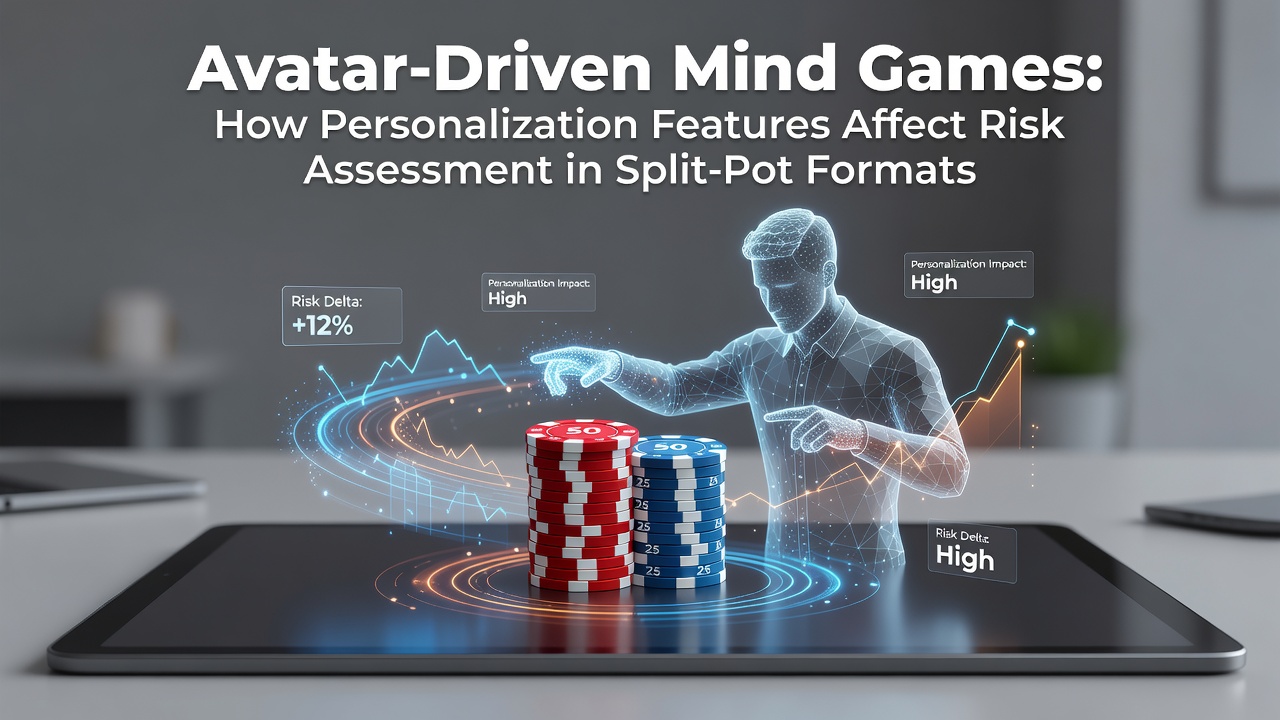
Digital card platforms continue to expand customization tools that let participants select and modify avatars before entering split-pot variants such as Omaha hi-lo and stud hi-lo, and researchers have begun documenting how these choices correlate with shifts in betting volume and decision timing during shared-pot scenarios.
Platform Data Patterns in 2026
July 2026 records from multiple international networks show increased avatar edits during peak tournament hours, with figures from the Australian Communications and Media Authority indicating a 14 percent rise in personalization activity compared with the same period in 2025, and operators note that users who adjust avatar clothing, backgrounds, or accessories before play tend to extend session lengths by an average of 22 minutes.
Those adjustments appear alongside measurable changes in risk metrics, because participants who select avatars with aggressive visual traits place larger bets into split pots earlier than users who retain default images, according to aggregated telemetry released by several European gaming associations.
Psychological Mechanisms at Work
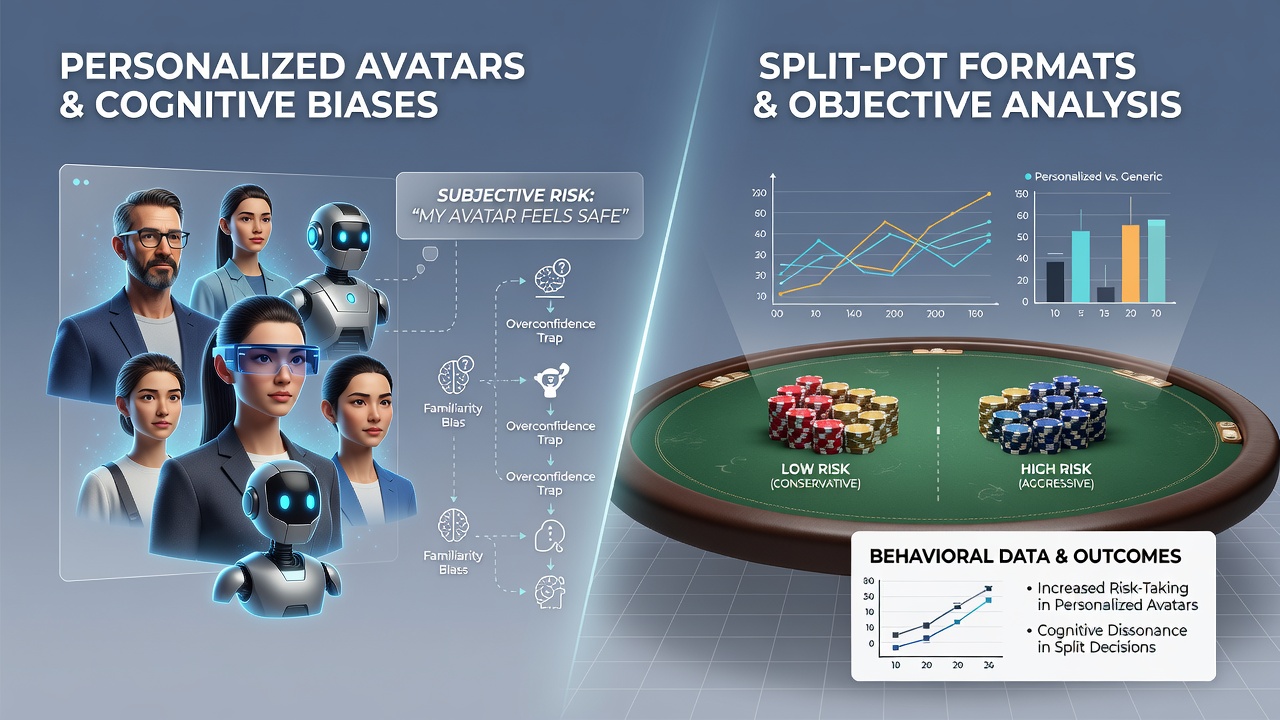
Studies conducted by the University of Nevada Reno Gaming Research Center demonstrate that avatar identification activates self-representation pathways in the brain, which in turn influences probability weighting when pots are divided between high and low hands, and the center's 2025-2026 longitudinal dataset reveals that customized avatars correlate with a 9 percent increase in continuation betting frequency after the turn in four-card split-pot formats.
Observers note that color palettes chosen for avatars also track with tolerance levels, since warmer tones associate with higher variance plays while cooler selections align with more conservative pot-commitment patterns across recorded hands.
Comparative Analysis Across Formats
Multi-table data from North American platforms further separates split-pot behavior from standard hold'em sequences, because the dual-win condition in games like Omaha hi-lo requires simultaneous assessment of two hand rankings, and researchers find that avatar-driven immersion amplifies focus on one ranking at the expense of the other when personalization features include dynamic expressions that react to pot size.
Canadian provincial reports compiled through the Responsible Gambling Council document similar patterns, with split-pot participants who enable avatar animations showing elevated bet-sizing variance during river decisions compared with users who disable those features.
Regulatory and Design Implications
Industry groups such as the European Gaming and Betting Association have begun issuing guidance on transparency for personalization algorithms, since the same systems that recommend avatar options also track subsequent risk metrics, and regulators in Australia require disclosure when avatar suggestions are generated from prior session data that may encourage larger wagers.
Platform designers therefore test interface variants that decouple avatar selection from in-game prompts, because evidence from controlled trials indicates that separating these elements reduces the observed correlation between customization time adn elevated risk assessment scores.
Conclusion
Current telemetry across split-pot environments confirms that avatar personalization features interact with risk assessment through measurable behavioral channels, and ongoing data collection through mid-2026 continues to refine understanding of how visual identity tools shape decision sequences without altering underlying game mathematics.